

They're the ones who show up as themselves, stay present when a question surprises them, and leave the interviewer with a clear sense of who they are. That's a skill. It can be practiced, and it improves visibly in a single session.


"My Georgetown alumni interviewer told me I seemed unusually prepared, and that it didn't come across as rehearsed. I didn't know how to respond to that."
Jordan B. · Admitted to Georgetown University, School of Foreign Service

Most students have never had a conversation where they were specifically coached on how to present themselves out loud, in real time, to someone they want to impress. So they either memorize answers and sound like they memorized answers, or they freeze when the question doesn't match the ones they practiced. The Poised Sprint addresses neither of those things by drilling more questions. It addresses them by working on the underlying skill: showing up as a real person and trusting that genuine answers are better than polished ones.
Where This Sprint Applies
The Poised Sprint is built for every high-stakes interview a student will face in the college process. The preparation that makes a student memorable in a scholarship finalist interview is the same preparation that makes them memorable anywhere else.
A named merit scholarship at a selective university can be worth $30,000 to $80,000 over four years. Scholarship finalist interviews are often genuinely evaluative: they are designed to find reasons to choose one well-qualified candidate over another, and the interview is how they do it. The student who has done one mock interview with specific feedback arrives here with a significant advantage over one who hasn't.
Genuine evaluation. High dollar stakes.At most selective secondary schools, the admissions interview is conducted by admissions staff, not alumni volunteers, and it carries real weight in the decision. Many boarding school applications also include a separate parent interview, which has its own common failure modes. The Poised and Polished Sprint includes specific parent interview preparation for families navigating this process.
Admissions staff. Real weight in the decision.Alumni interviews have declined in frequency but remain active at many selective schools. They are often described as low-stakes, but students who are well-prepared are consistently more comfortable and more memorable, and the alumni interviewer does file a report. A student who shows up having done a mock interview is at a meaningfully different level of composure than one who hasn't.
Alumni file a report.Some competitive summer research and academic programs interview finalists. The student who has been through one mock interview with Robert arrives at a summer program interview with composure and self-knowledge that most other finalists don't have. For students who are also completing the Summer Sprint Application Track, the Poised Sprint is a natural companion.
Natural companion to the Summer Sprint.Why Interview Prep Usually Doesn't Work
Most students have never been coached on how to present themselves in a structured conversation. When they try to prepare for interviews, they do what seems logical: write out answers to likely questions, rehearse those answers, and hope the interview follows the script they practiced. The result is a predictable set of failure modes that more drilling only deepens.
Robert's approach doesn't work on answers. It works on the underlying skill: showing up as a real person, staying present, and trusting that genuine responses are better than polished ones. The mock interview structure, including the option to stop and restart when a pattern is significantly off, is specifically designed to show students what their patterns are in real time rather than in the abstract.
The over-rehearsed answer. The student starts speaking and sounds like they are reciting something they wrote down. The interviewer can hear it, and the conversation never becomes a conversation.
Filling silence. When a question is harder than expected, the student keeps talking past the point where they've said anything useful. They are trying to find the answer while speaking, which produces answers that trail off into nothing.
The freeze. A question arrives that doesn't match anything practiced. The student has no strategy for what to do when this happens, so they either go blank or pivot to the closest pre-rehearsed answer, which doesn't fit the question.
Not closing well. The interview ends without the student having made a strong final impression. Most students have no plan for the last few minutes of an interview, and the last few minutes are disproportionately memorable.
The Structure That Makes This Work
Most interview coaching gives you feedback on what you said. The Poised Sprint gives you feedback on what you said and then immediately asks you to try again with that feedback applied. The difference matters more than it sounds. Hearing that you fill silence with filler words is useful. Finding out in the second mock that you no longer fill silence with filler words is the thing that actually builds confidence.
What You Receive
Two documents come with the sprint. One arrives at purchase, to be read before the session. One arrives after the session, as a clean reference to review before every interview in the cycle.
Robert's interview philosophy and a practical framework for every interview type your teen will face. Reading this before the session means the 60-minute mock can go deeper immediately, skipping the context-setting that would otherwise take 20 minutes.
A clean document covering everything Robert observed and discussed in the debrief. Specific to this student, based on this session. The student keeps it and reviews it before every interview in the cycle, whether that's one interview or six.
A Note on the Word "Polished"
The name of the second tier contains the word "polished," and it's worth explaining exactly what that means in this context, because the most common thing students do when they try to prepare for interviews is try to become more polished in exactly the wrong way.
The word "polished" describes the state of having practiced, heard honest feedback from someone who was watching carefully, and practiced again with that feedback applied. That is a specific, experiential thing. It is not a synonym for "well-prepared with better answers."
A student who has been through the bookend mock process and received specific written notes is polished in the useful sense: they know what they do when they're nervous, they've already seen themselves correct it in real time, and they have a reference document they can review before the real interview. That is a completely different thing from a student who memorized better answers to common questions.
Memorizing answers to likely questions. Practicing a script. Sounding more impressive. Having a better answer ready for every possible question. None of these are the goal, and most of them actively undermine the goal.
Having practiced, heard specific feedback about what happened when you practiced, and practiced again with that feedback applied. Knowing your own patterns. Trusting that genuine answers are better than impressive ones. Showing up knowing you've already done this once.
Your Interview Coach
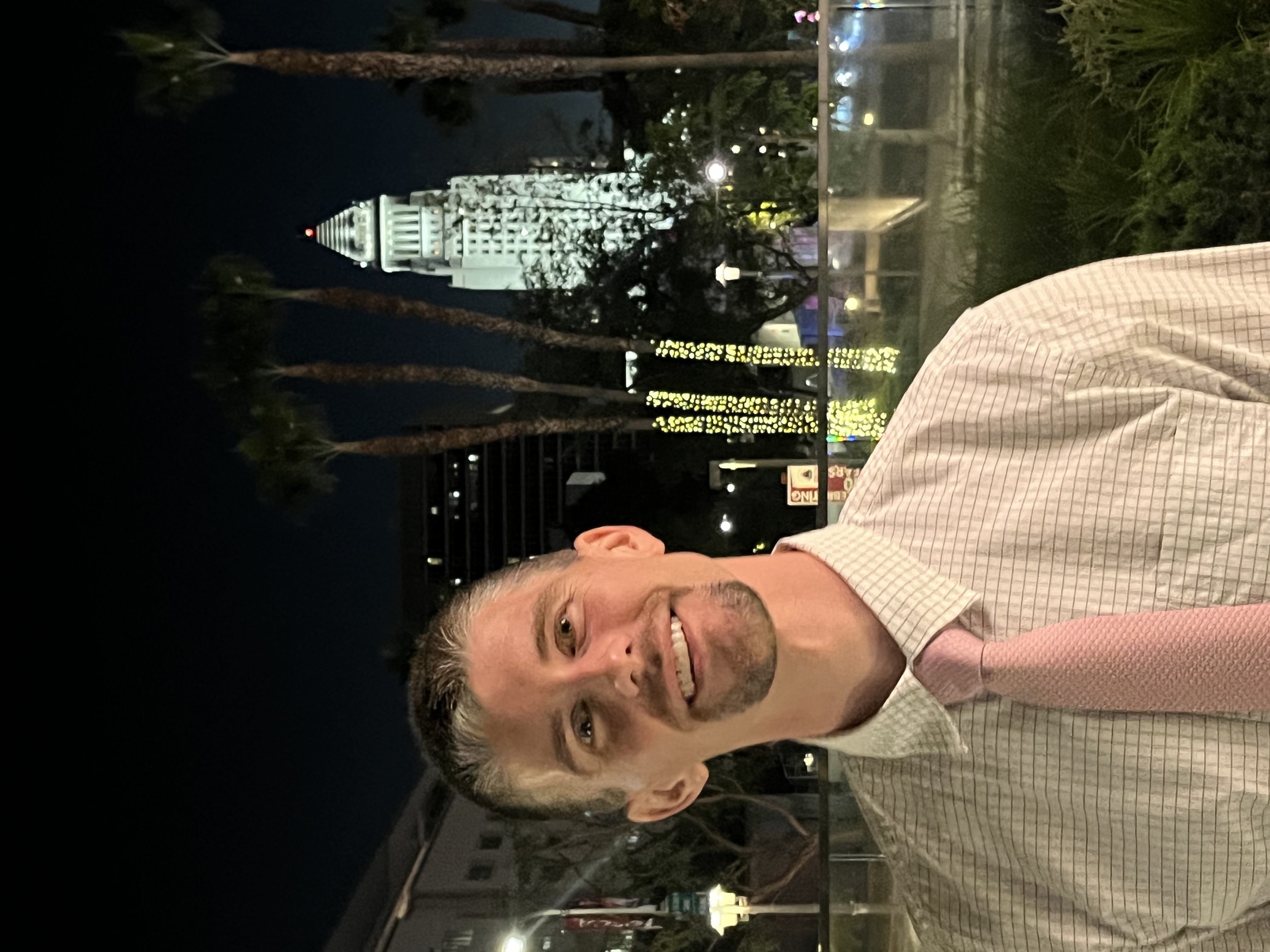
Robert has spent more than a decade working with students through every part of the college process, which includes coaching many of them through interviews in contexts where the interview genuinely mattered. Over that time he developed a clear sense of what makes a student memorable in a structured conversation, and it is almost never the answer to any single question.
What interviewers remember is whether the student felt like a real person: present, genuine, unhurried, and willing to say something specific about themselves rather than something polished and general. Robert knows how to help students find that version of themselves under the pressure of a simulated interview, hear exactly what they're doing that gets in the way, and walk into the real interview having already been through a version of it.
For LGBTQ+ students, the interview also raises the question of how much to disclose and how to navigate "Why This School" at programs where safety and belonging are part of the decision. Robert addresses this directly in the sessions for students where it's relevant.
From the Luminaries
"I'll be honest. The first time Robert ran a mock interview with me, it was not good. He asked me why I wanted to study international affairs and I gave him this long, vague answer about wanting to understand global systems and make a difference in the world, and he stopped me about thirty seconds in and said, 'Give me a specific example of that.' I didn't have one ready. That was the whole problem. Every single time I started to generalize, he would bring me back to something concrete. By the end I had three or four real stories I could actually tell, and I understood how to move from the specific moment out to the bigger idea, instead of the other way around. My Georgetown alumni interview was with a woman who had graduated about fifteen years ago. She asked me what I had been reading outside of school, which we had specifically practiced for. At the end of the conversation she told me I seemed unusually prepared, and that it didn't come across as rehearsed. I got into Georgetown. I'm in the School of Foreign Service in the fall."

"If you come to College Torch open-minded, Robert will extract the very best from you. He asks questions that force you to be extremely introspective, helping you understand who you are and what you want to convey. That is a skill that carries into every conversation you have about yourself."
The Sprint
The Poised Sprint delivers the full bookend mock in a single 60-minute session. The Poised and Polished Sprint adds a second session to confirm the notes landed and includes parent interview preparation for boarding school and private school families.
Right for most students with an upcoming interview. Alumni college interviews, scholarship interviews, summer program interviews, one or two boarding school interviews.
Right for boarding school and private school families (parent interview included), high-stakes scholarship finalists, and students with multiple distinct interview contexts in the same cycle.
When to Book
The sprint is short enough that it can be completed in the week or two before a scheduled interview. More lead time is always better. More time between the session and the real interview means more time to sit with the notes and let the second mock's adjustments settle in.
College alumni interviews are typically offered in the fall. Boarding school and private school applications have interviews scheduled through October, November, and December at most schools. Scholarship finalist interviews at schools with early decision programs can also fall in this window. Booking the sprint in October or early November, before the first interview is scheduled, gives the most preparation runway.
Boarding school: Oct–Dec Alumni college: Oct–DecNamed merit scholarship finalist interviews are predominantly a spring event. A student notified of a scholarship finalist interview in February typically has two to four weeks before the interview date. The Poised Sprint can be completed quickly when needed. Some boarding school interviews also extend into the spring for families who applied in the February or March round.
Scholarship finalist: Feb–Apr Summer program: Mar–AprThe Poised Sprint is a single session. It can be booked and completed within a week of a scheduled interview if needed. The sooner the better, but a sprint completed three days before an interview is significantly more useful than no preparation at all. Robert will work with your teen's timeline.
The Your Interview Brief are a living document. A student who does the sprint in September, before boarding school interviews are scheduled, has a reference document they can review for every interview in the cycle. For students who know interview season is coming and want to arrive ready, the sprint is as useful before an interview is scheduled as it is the week before one.
Connected Sprints
The Spark Sprint covers the student's application essays for Common App schools. Families navigating both the essay and interview components of a selective private or boarding school application can access both sprints together through the Private and Boarding School Bundle. Because essay requirements vary significantly between schools, Robert asks that boarding and private school families email him before purchasing to confirm which tier fits their specific application.
Some selective summer programs, including certain research programs and scholarship competitions, conduct finalist interviews. A student who has been invited to interview for a summer program has already earned a strong position in the process. The Poised Sprint helps them show up to that conversation prepared, specific, and genuinely themselves rather than rehearsed.
For Private and Boarding School Families: the Poised and Polished Sprint is available as part of the Private and Boarding School Bundle alongside the Spark Sprint, which covers student application essays and, in the Full Application tier, parent essays. Because essay requirements vary significantly between schools, Robert asks that boarding and private school families email him before purchasing to confirm which tier fits their specific application.
Common Questions
Enroll
Questions before enrolling? Email Robert and he will help you figure out which tier fits and whether the timing is right.