

Most students arrive at application season with a handful of strong activities and a lot of filler they can't say much about. This sprint is for building a profile that reflects who your teen actually is, while there's still time to do it.
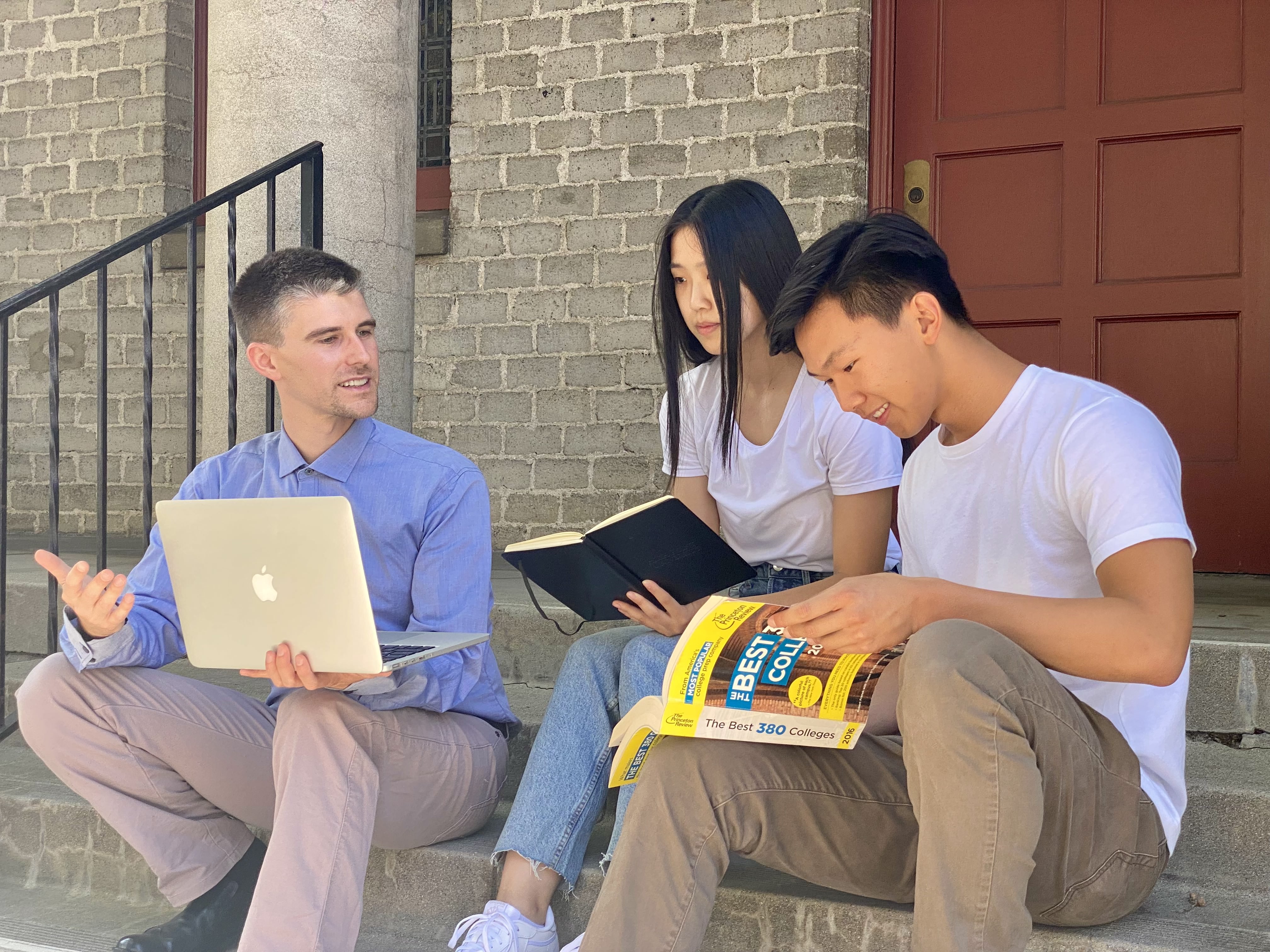
"Our son was able to speak honestly to an impartial party about what type of college he was looking to attend. Robert helped tremendously with his applications and gave great advice on how to improve his essays so the schools could see his strengths."
Kellie Y. · Parent of a College Torch Luminary

I tell my students the same thing: the Common App Activities List has ten slots, and what you put in those slots is one of the clearest windows into who you are as a person outside of a classroom. Most students fill those slots with whatever happened to happen. The Well-Rounded Warrior Sprint is about making deliberate choices, while there's still time to make them.
The Challenge
The Common App gives students ten slots to describe what they do outside of school. Each entry includes the activity, a leadership role if applicable, and a 150-character description. Those ten slots are read by every admissions reader at every Common App school your teen applies to. They are the most concentrated picture of a student's life that exists in a college application.
Most students reach junior year with a handful of things they're genuinely invested in and several more that were accidental, unexamined, or inherited from what their schedule allowed. They've never thought strategically about how those activities add up, what they're missing, and what the next two or three years could look like if they made a few intentional choices now.
The Well-Rounded Warrior Sprint is the conversation that changes that.
A typical unplanned Activities List
The Well-Rounded Warrior Sprint is about closing that gap while there's still time.
What Robert Explores With Your Teen
Admissions readers can tell the difference between a student who has been doing something for four years with increasing responsibility and one who joined a club in senior fall to fill a slot. Robert evaluates where your teen has depth, where they have breadth without depth, and where a longer-term commitment to something meaningful would strengthen the picture.
Commitment · Trajectory · TimeStudents frequently have opportunities to hold leadership roles or start something new and simply don't pursue them because no one pointed them out. Robert identifies where your teen could realistically take on more leadership within existing organizations, and where the right new project or independent initiative would be a genuine fit for who they are.
Roles · Initiative · OwnershipThe best activity profiles aren't the most impressive on paper. They're the ones that make an admissions reader feel like they've met someone. Robert listens carefully for the interests, passions, and habits your teen already has, and recommends activities that connect to those things rather than activities that are designed to look good without feeling real.
Authenticity · Fit · VoiceSummers are some of the most valuable unstructured time a high schooler has, and they tend to be the least planned. Robert makes specific recommendations for how your teen can spend their remaining summers: programs worth applying to, jobs that build relevant experience, self-directed projects that demonstrate something real, and research or mentorship opportunities worth pursuing.
Summers · Programs · OpportunitiesCommunity service that is sustained, specific, and connected to real interests reads very differently than service that was done to check a box. Robert helps students identify service directions that fit who they are, and helps them think about how to build the kind of record of involvement that tells a coherent story about what they care about.
Service · Impact · ConsistencyA student who has built something, started something, or made something on their own terms occupies a category that a list of clubs and organizations doesn't. Robert identifies where a creative or independent project would be authentic for your teen, and helps them think through what it would look like and how to get started.
Projects · Creative Work · Self-DirectionThe College Torch Process
Before Session 1, your teen completes the Dazzling Activities course so they arrive already thinking about how activities are evaluated. The sessions are conducted with the student directly, without parents present, because students describe their lives, interests, and real feelings about how they spend their time more honestly in that setting. Parents receive the Interests and Activities Plan alongside their teen. Session 3 happens six to eight weeks later, once there has been time to try things.
Robert asks detailed questions about what your teen is currently doing, what they've considered trying, what they do with unstructured time, and what subjects or problems genuinely hold their attention. He is listening as much for what excites the student as for what might look strong on a list. The two are often the same thing, but finding that requires asking the right questions. Students frequently leave this session surprised by what they had to say about themselves.
Robert researches programs, organizations, and opportunity types that fit what he learned in Session 1. Where a specific national program is the right fit, he names it. Where the right opportunity is local, he describes what to look for and how to find it, because the best community theater program or city council internship in your teen's city is something only they can track down. The plan is specific enough to act on and honest about what Robert can and can't know from a distance.
Session 2 walks through the Interests and Activities Plan together. Robert explains every recommendation, helps your teen prioritize what matters most for their timeline, and answers questions. Your teen leaves with a clear, written action plan and a real understanding of why each recommendation is there.
Six to eight weeks after Session 2, Robert and your teen meet again. Your teen reports back on what they pursued, what hit an obstacle, and what surprised them. Robert adjusts the plan based on what actually happened and answers any new questions. This session is the difference between a plan that gets filed away and one that gets used.

"If you come to College Torch open-minded, Robert will extract the very best from you. He asks questions that force you to be extremely introspective, helping you understand who you are and what you want to convey."
Vincent C. · Class of 2022, admitted to Georgetown
Required Pre-Work
Every Well-Rounded Warrior Sprint includes lifetime access to Dazzling Activities, College Torch's on-demand course on the extracurricular side of the college application. Completing it before Session 1 is required. Robert's time with your teen is spent on strategy and specifics, and the course makes sure everyone arrives on the same page about how colleges actually evaluate activities.
Most students have never thought carefully about how the Activities section of a college application works. The course covers that in under two hours. Once your teen has completed it, Session 1 can skip the fundamentals entirely and go straight to their specific situation.
Students who complete the course before their sprint session consistently have better conversations with Robert because they've already started thinking about their activities through the right lens.
What You Receive
At the end of the sprint, your teen receives a written document with Robert's recommendations for how to spend their time outside of class in ways that are genuinely meaningful to them. The plan is grounded in what Robert heard during the Discovery Session: their real interests, the things they find engaging, and what they actually want to explore. It also reflects where those interests can take them in the application. Those two things are not in conflict. Students who are doing activities they care about build stronger profiles than students who are doing activities designed to look good.

Your Strategist
Over a decade of working with students, Robert has developed a strong sense of what separates an activities profile that genuinely represents a person from one that looks like it was assembled for an application. The difference is almost always specificity and sustained commitment, and the earlier a student starts making intentional choices, the more their profile can reflect who they actually are.
The Well-Rounded Warrior Sprint is most powerful for students in 9th, 10th, and 11th grade, because those students still have time to act on the plan. And there is a meaningful side effect to building a profile this way: students who are spending their time on things they actually care about tend to be more energetic, more consistent, and more present in those activities. The ones who build the strongest profiles are almost never the ones who chose their activities strategically. They are the ones who found something they genuinely liked and stuck with it.
The Interests and Activities Plan reflects what Robert heard, researched, and knows, presented honestly. Some recommendations will name specific programs or organizations. Others will describe the type of opportunity to look for and give your teen the tools to find the right one in their area. That combination, expert framing plus practical guidance, is what makes the plan useful rather than just impressive.
Robert is an IECA member, a NACAC member, and a specialist in LGBTQ+ college counseling. LGBTQ+ students working with him get activity and profile recommendations that account for the full picture of who they are, including how their identity intersects with their interests, and which campus environments they are likely to thrive in.
From the Luminaries

"I didn't have any activities when I first started preparing for college applications, but I had ten activities to write down by the time we were done. Those activities also helped me when I was writing my essays. Robert taught me how to write an essay that tells a story effectively. The brainstorming we did together helped me find ideas I would never have come up with on my own."
"If you come to College Torch open-minded, Robert will extract the very best from you. He asks questions that force you to be extremely introspective, helping you understand who you are and what you want to convey."

"He also connected me with the proper resources to help strengthen my application. I think most importantly he encouraged me to dive deep into my own questions and concerns throughout the process. Robert is a perfect balance of personable and professional."

"Robert's organized behavior, nuanced perspectives, and extremely open-minded personality inspired me to grow throughout the college application process, not only as a writer or thinker, but as a person."

"He was there from day one, when I first began to work on my college and activities lists. Having that head-start helped immensely. Robert genuinely cared about my success and made himself available for any questions or concerns I had, no matter how small."
The Sprint
The Well-Rounded Warrior Sprint is a single, focused package: the Dazzling Activities course, three sessions with Robert, and a written Interests and Activities Plan. The third session happens six to eight weeks after the plan is delivered, so the plan actually gets used.
Questions about fit or timing? Email Robert and he will help you figure out whether this is the right sprint for your teen right now.
When to Start
The Well-Rounded Warrior Sprint is about building something, and building takes time. Every grade level produces a different sprint experience, because the timeline of what's still possible changes as your teen gets closer to application season.
Students who complete this sprint in 9th grade have three to four years to pursue every recommendation in the playbook. Summer programs, leadership roles, and sustained commitments all have time to develop in ways that will be genuinely meaningful by the time applications are due. The earlier the conversation, the more the profile can reflect who the student becomes rather than who they happened to be.
The 10th grade window is where this sprint is most commonly completed and where families feel they're striking the right balance between planning ahead and not over-engineering a teenager's life. Two summers and two full school years are plenty of time to build something real. Robert's recommendations at this stage tend to be the most actionable.
The sprint still produces a useful playbook in 11th grade, with a shifted focus: one remaining summer, the activities of senior year, and leadership transitions within existing organizations. The recommendations become more targeted because the timeline is shorter. Robert will tell you plainly what's still achievable and what isn't, and the plan will reflect that.
The Well-Rounded Warrior Sprint is about building the profile while there's time to build it. For students already in their senior year, the right sprint is typically the Showcase Sprint, which takes the existing profile and presents it as compellingly as possible in the Activities List. If you're a senior and are genuinely unsure which sprint applies, email Robert and he'll tell you directly.
Common Questions
Enroll
Questions before enrolling? Email Robert and he will help you figure out whether this sprint is the right fit for your teen right now.